Kodiak AI lands Marine Corps deal to add driverless tech to ROGUE Fires platform
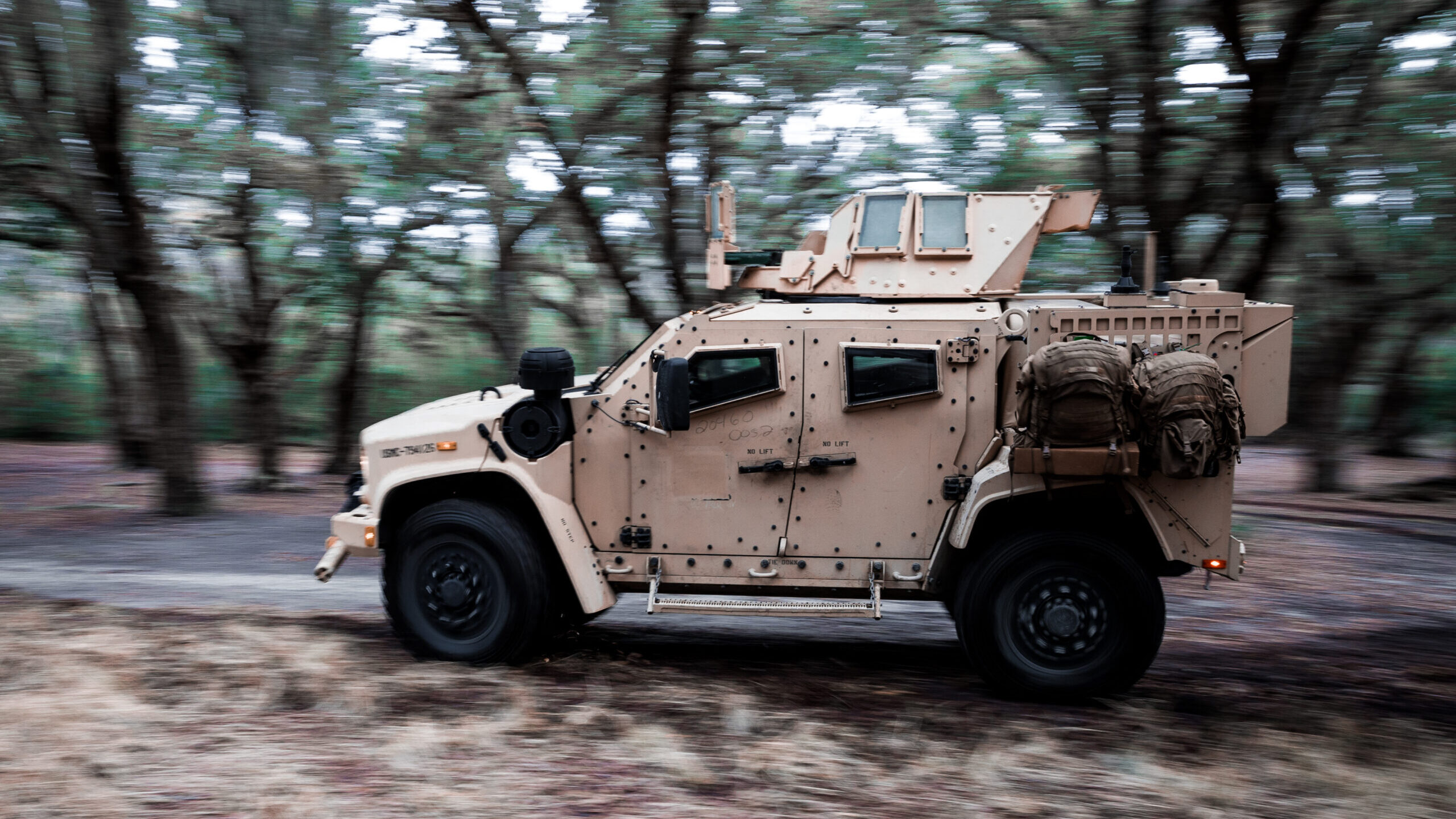
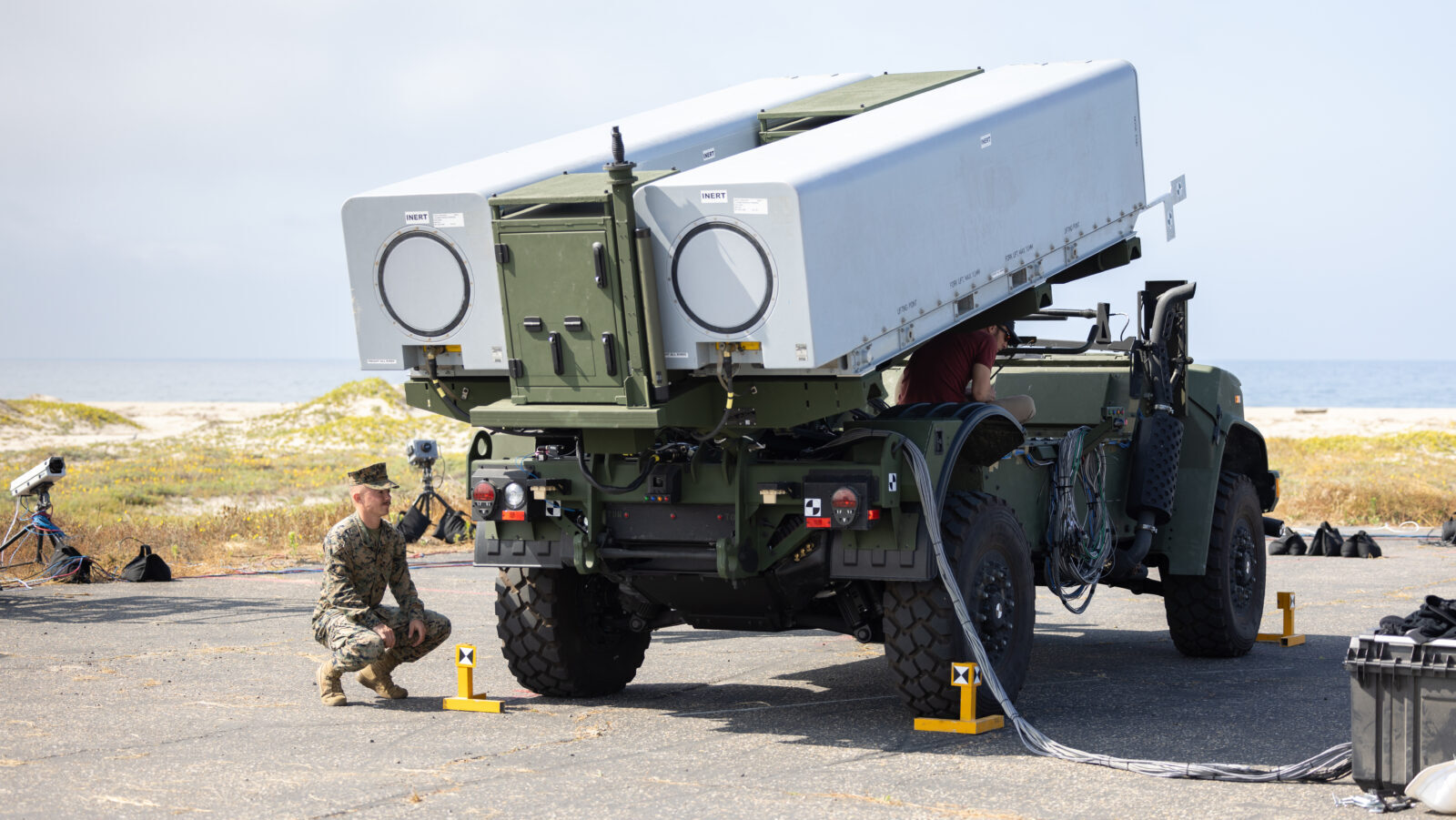
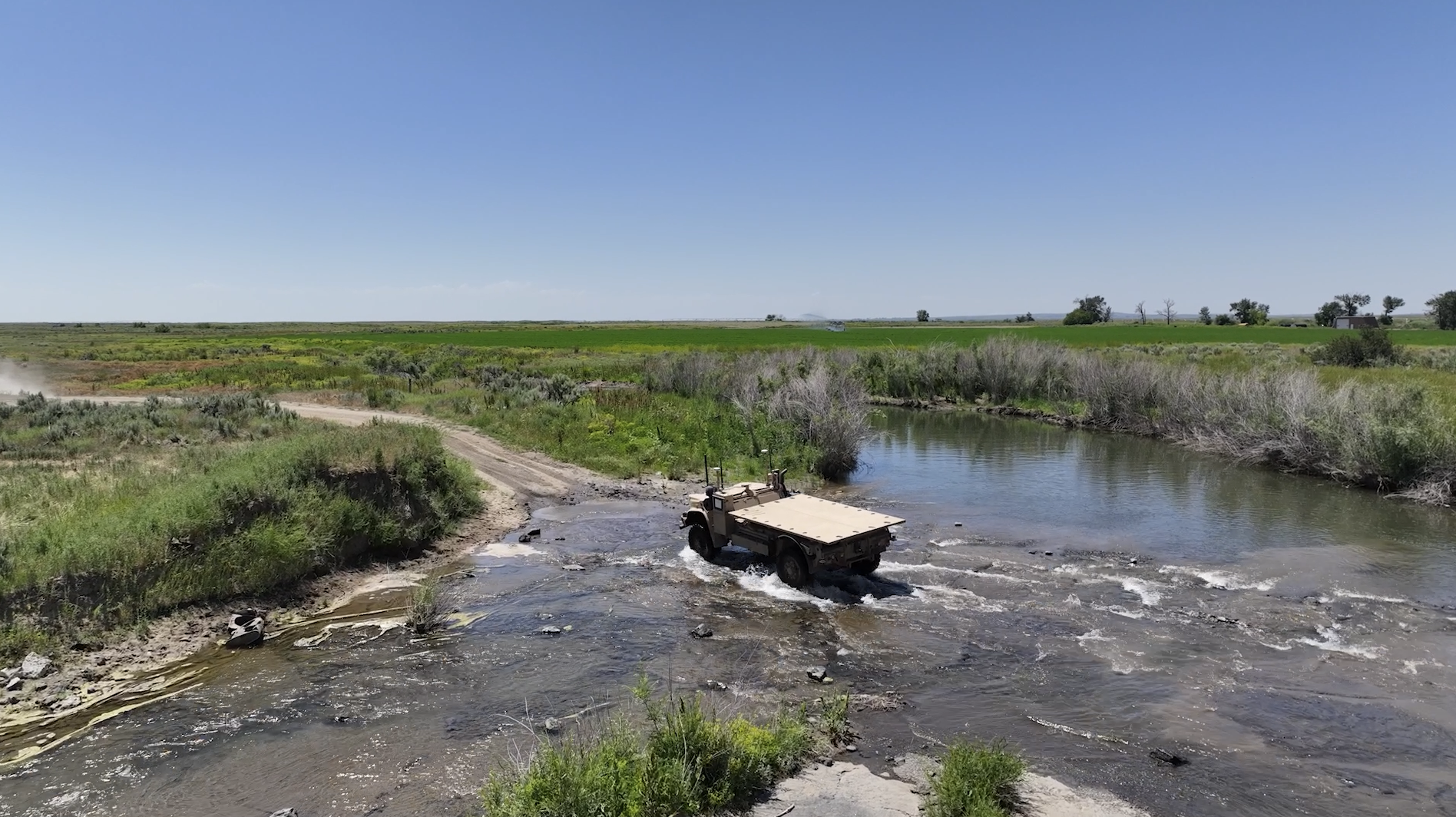
Last year Forterra was also awarded a contract to integrate its autonomy stack, dubbed AutoDrive, into the JLTVs for the ROGUE Fires program.
“For us, goTenna provides, really that critical mesh networking capability on top of an organization and culture that already has built of very talented people focused on delivering very relevant tech to warfighters,” Forterra CEO Josh Araujo told Breaking Defense.
Discover how unmanned systems and emerging technologies are shaping the future of U.S. naval power in Breaking Defense’s new eBook.
The two companies plan to have a prototype of the Armored Multi-Purpose Vehicle outfitted with autonomous capabilities by next year.
“The focus will be mission autonomy” with the goal of letting companies bring in the best robots rather than trying to automate more ISVs, a senior defense official told Breaking Defense.
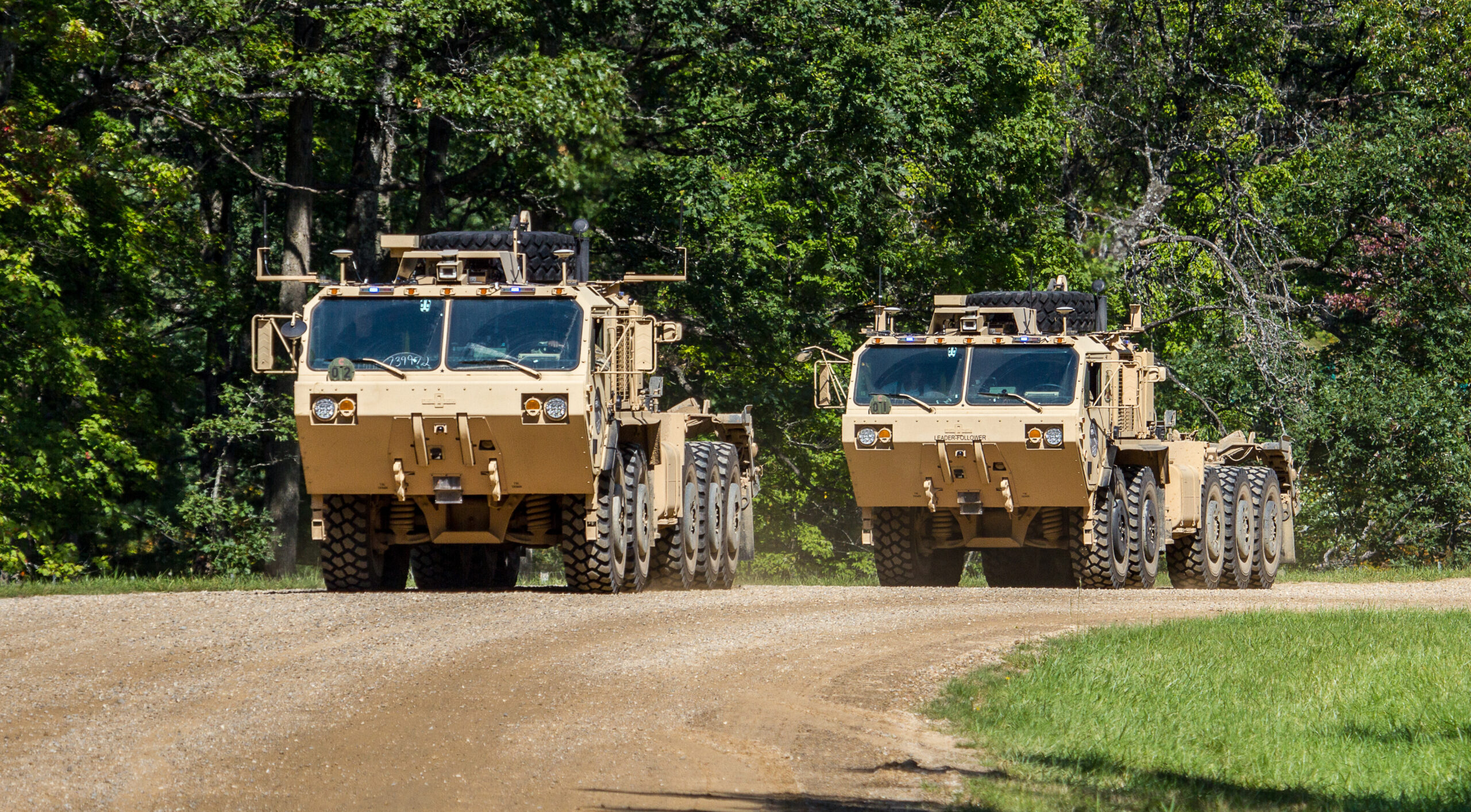
“This effort will serve as an opportunity for the Army to assess the reliability of commercial autonomy and their ability to deliver real operational value to soldiers in the field,” said Col. Ken Bernier.
The team, which includes Forterra and Oshkosh, used the Project Convergence Capstone 5 experiment to fire a Joint Reduced Range Rocket training round that is currently in source selection.
DIU and the service want to make a final downselect by mid-2026 but ongoing budget uncertainty could derail that plan, says Maj Gen Michelle Donahue.
The service is funneling nearly $30 million into the program to add in Forterra’s AutoDrive system into the JLTV-based launcher.